Heat-Friendly Does Not Mean Unlimited Heat
Heat-friendly synthetic fiber is engineered to tolerate styling heat, but it still has temperature limits. Excessive heat, repeated passes or prolonged contact can damage the fiber. Always follow the product-specific instructions rather than treating it like biological hair.
Heat Resistant vs. Traditional Synthetic
Traditional synthetic fiber is valued for strong style memory and low maintenance but generally should not be exposed to direct styling heat. Heat-friendly synthetic fiber allows more reshaping but can require additional care to manage friction and keep the ends looking smooth.
Why Jon Renau's HD Styles Are So Versatile
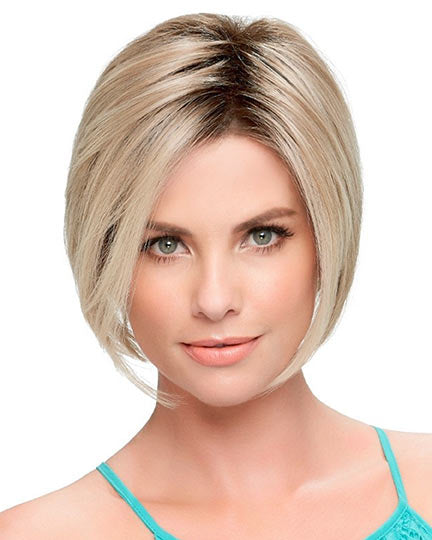
On a heat-friendly bob, you may be able to alternate between a sleeker line and more texture. On a short style, heat can help redirect fringe or smooth layers. On longer hair, it can provide flexibility to change curl or wave patterns. The exact possibilities depend on the individual style.
Cap Construction Still Matters
Heat-friendly fiber determines how you can style the hair, while cap construction determines factors such as hairline realism, parting, ventilation and movement. Compare both before buying.
Jon Renau Heat Resistant Wigs FAQ
Why Does Jon Renau Say Heat-Friendly Instead of Heat Resistant?
Heat-Friendly Synthetic is the terminology Jon Renau currently uses on many product pages. ElegantWigs.com uses Heat Resistant Synthetic as its sitewide fiber-filter terminology, so both phrases can refer shoppers to the same general category.
Can I Use a Flat Iron or Curling Iron?
On qualifying heat-friendly styles, approved heat tools can be used within the manufacturer's specified limits. Check the individual wig before styling.
Will Heat-Friendly Fiber Return to Its Original Style After Washing?
Heat-friendly fibers do not always behave exactly like traditional synthetic fiber. If the style has been changed with heat, additional styling may be needed to recreate the previous shape.